Home Buyers
I’m Moving to Los Banos From Somewhere Else. How Do I Buy a Home Before I Know the Area?
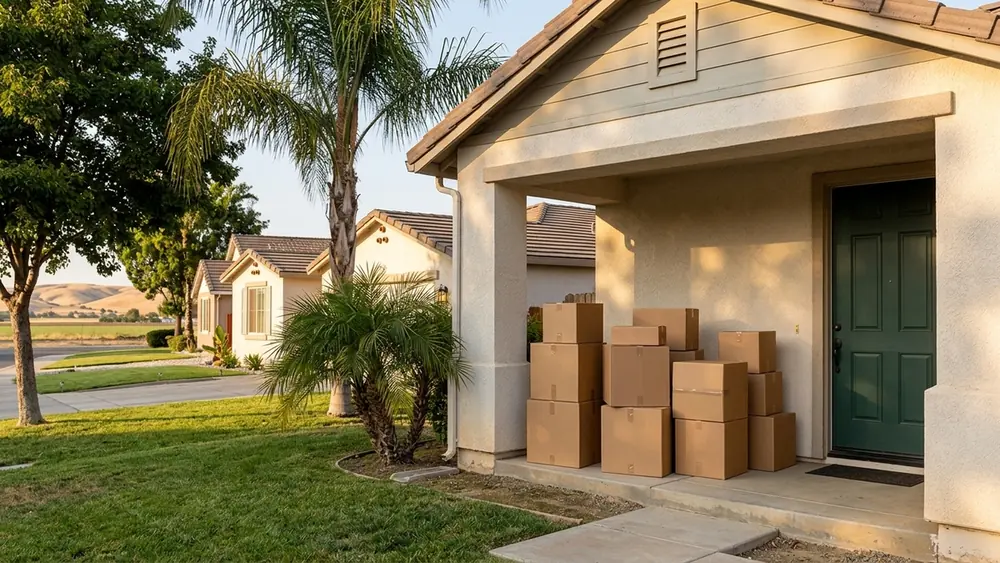
Decide what your search has to fit around before you look, plan how you will see homes and parts of town from a distance and in person, and confirm every fact with the office or professional that sets it.
On this page
- Begin with what your move has to fit
- Figure these things out before you search
- Looking at homes when you live far away
- Learning parts of town without judging them
- Planning a trip to see homes in person
- Who confirms each fact from a distance
- Handling paperwork when you are not nearby
- Your first step toward a distance purchase
Begin with what your move has to fit
If you are moving to Los Banos from somewhere else, you can buy a home before you know the area by deciding what your search has to fit around first, then planning how you will see homes and parts of town from a distance and in person. Your own fixed points, not a listing photo, should decide where you look. Every fact you rely on should come from the person or office that sets it.
This matters because buying from far away removes the easy checks people take for granted. You cannot drive past a home on a weekend, stop by an open house on short notice, or walk a street to see how it fits your routine. Without a plan, the photos end up doing the deciding, and photos are designed to make every home look like the right one.
The good news is that a distance purchase can still be careful. It just asks you to be more deliberate about what you check, who checks it, and when you need to be there yourself. Treat it as a short project with clear steps, and each decision becomes something you can handle one at a time instead of all at once.
Figure these things out before you search
Before you open a listing, write down the parts of your move that will not change. Note where you will work and how often you will travel there, the monthly cost a lender has confirmed you can carry, what the home needs to have, and the date you need to be living in it. These fixed points become the filter for every home and every part of town you consider.
If you plan to keep a job in the Bay Area or Silicon Valley, add the commute to that list as a question to test, not an assumption. Write down the route you would use, the hours you would travel and a backup plan for days when the trip runs long, then try the drive yourself at those hours before you commit. No map estimate can stand in for your own test.
When you can’t be here every weekend, decide what the home has to fit around before you look. Then we plan exactly what you need to see in person.
Looking at homes when you live far away
From a distance, live video walk-throughs can do much of the early work. Ask to see every room, not only the ones in the listing photos, and ask the person holding the camera to show the ceilings, the floors, the yard, the outside of the house and the view from the street. Take notes during the call, because details blur quickly once you have seen several homes.
Ask the questions a photo cannot answer, such as whether the doors and windows open and close easily, whether there are signs of water, wear or recent repairs, and what the view is from the street on either side. Write down anything that would need a closer look, so you know what to check with an inspector or on an in-person visit later.
A video tour is a screening tool, not a final answer. It can help you narrow a long list to a short one, but it cannot replace an inspection or your own eyes on the homes you are most serious about. Plan for a home inspector to look at the condition of any home you make an offer on, and ask what the inspection covers before it begins.
Learning parts of town without judging them
When you do not know the area, it is tempting to ask someone which part of town is right for you. A more useful approach is to describe what you observe and match it against your own list. Note the features you can see and test: the routes you would use, the age and style of the homes, any parks or shops you would visit, and whether an association applies.
Leave out labels and secondhand opinions, and judge each place only by the features you can see and how they fit your fixed points. If someone offers a verdict on a part of town, ask what specific feature they mean, then check that feature yourself. For questions about what you could build or change on a property, ask the city or county office that handles those rules.
Planning a trip to see homes in person
If you can make a trip, plan it before you book it, because your time on the ground is limited. Decide in advance which homes and parts of town you want to see, in what order, and what you want to check at each one. A clear plan turns a tiring day of showings into a set of answers you can use once you are home again.
- Visit your short list of homes, starting with the ones you are most serious about
- Drive the routes you would use every day at the hours you would use them
- See each part of town on your list at more than one time of day
- Keep one set of notes for every home and place, using the same headings
If you cannot travel before you make an offer, decide which of these checks someone else can do for you and which you want to do yourself later. A REALTOR® can walk through a home on a video call and point the camera wherever you ask. An inspector can report on condition. The final call on whether a home fits your life stays with you.
Who confirms each fact from a distance
Buying from far away makes it even more important to know whose answer to rely on. A listing description is a starting point, not a source. The table below matches common questions for distance buyers to the person or office that can answer them, so you can collect answers in writing and check them again before you sign anything.
| Question | Why it matters | Who to ask |
|---|---|---|
| What condition is this home really in? | Photos and video cannot show hidden problems | A home inspector |
| What coverage will this home need? | Coverage and cost vary by property | An insurer |
| What are the property taxes on it? | Taxes belong in the monthly budget | The county office that handles property taxes |
| Are there association fees and rules? | Rules can limit how you use the home | The association and its documents |
| Can I sign and close from a distance? | It shapes when you need to travel | Your title or escrow company |
Rules, fees and costs change over time, so ask each source how current the answer is, and note the date you heard it. If a question is legal or tax related, take it to a real estate attorney or a tax professional rather than relying on general advice. Keeping your answers in one place helps you compare homes fairly from wherever you are.
Handling paperwork when you are not nearby
Much of a purchase can move forward while you live somewhere else, but the details depend on the companies involved. Ask your title or escrow company early how signing works when a buyer is out of the area, and what they will need from you and when. Ask your lender the same question about its own documents, so neither side waits on the other.
It helps to plan your availability as carefully as your visits. A purchase often needs quick answers, so let your lender, your REALTOR® and your title or escrow company know how and when to reach you. If Spanish is easier for you, you can ask Robert for help in that language from the very first conversation.
Your first step toward a distance purchase
You do not need to know the area to begin. Bring the list of fixed points you wrote earlier, the questions you have not answered yet and any date you need to be living in Los Banos. Add a note about how often you can travel before you buy, because that shapes the whole plan for seeing homes and parts of town.
If you are moving to Los Banos from somewhere else and are unsure how to buy before you know the area, bring that question to Robert. You can start with the decision that feels least clear and work through the rest one step at a time, with no pressure to choose anything on the spot. Which do you want to settle first: what your move has to fit around, or how you will see homes from a distance?
This article is general information about real estate decisions in Los Banos and Merced County, California. It is not legal, tax, insurance, or financial advice. Rules, prices, and market conditions change, so confirm current details with the responsible city or county office and with qualified professionals.

Written by