Home Buyers
How Do I Buy My Next Home in Los Banos While Selling the One I Have Now?
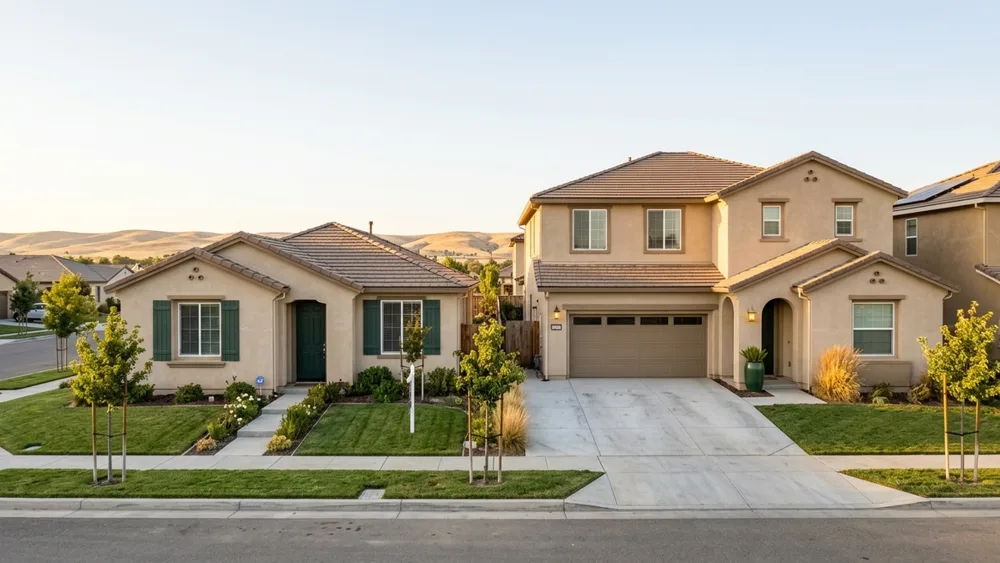
Start by deciding whether to sell first, buy first, or try to line both up, based on what you can carry at once. Settle that with a lender before you list your current home or make an offer.
On this page
Decide the order before you do anything else
If you want to buy your next home in Los Banos while selling the one you own now, the first decision is the order: sell first, buy first, or try to line both up. That choice depends mostly on what you can carry at once, so settle it with a lender before you list your home or make an offer. Every other step follows from the order you choose.
This matters because a move-up purchase ties a sale and a purchase together. The sale affects how much you have to put toward the next home, and the purchase affects when you need to be out of the current one. If you start either side before you know how they connect, you can end up rushing a decision on the other side to make the dates fit.
There is no single right order for everyone. Some households can carry both homes for a while, and some cannot. Some have flexibility about where they live in between, and some need to move once and only once. The useful step is to name your own limits plainly, then choose the order that fits them instead of the order someone else used.
Weighing selling first against buying first
Selling first usually gives you a clearer budget, because you know what the current home brought in before you commit to the next one. The tradeoff is that you may need somewhere to live in between, such as a rental or a stay with family, and that means moving twice. Ask yourself how you would feel about a temporary arrangement before you choose this path.
Buying first gives you time to find the right next home and move once, on your own schedule. The tradeoff is that you may pay for both homes for a while, and you will need to know how a lender looks at that situation. Ask what it would mean for your monthly budget if the current home takes longer to sell than you hope.
Lining both up means trying to close the sale and the purchase close together, so you move once and avoid carrying both homes. It can work, but it depends on dates and on the other parties agreeing to them, and those are not fully in your control. Plan for what you would do if the dates slip, rather than assuming they will hold.
Questions for your lender about both homes
A lender is the right person to explain how your current home and your next home fit together financially. Bring the details of the home you own now and the kind of home you hope to buy, and ask the lender to walk through each order with you. Write down the answers for each path side by side, so you can compare them later without relying on memory.
Ask how the lender would treat your current home and its payment while you are buying the next one. Ask what you would need to show before the lender could support a purchase, and whether that changes depending on whether your home is already listed, under contract or sold. Ask which documents to gather now so neither side of the move stalls while you wait.
It also helps to ask what happens if the timing changes. If your sale takes longer, or your purchase closes sooner, what would that mean for your financing and your monthly costs? The lender cannot promise how either transaction will go, but can explain your options under each scenario. Those answers give you a realistic picture before you commit to anything in writing.
What to plan before you list your current home
Once the order is settled, a few decisions about the current home belong before the listing goes live. These are the details that are easy to overlook when your attention is on the next house. Writing them down now keeps the selling side from creating surprises on the buying side, and gives you something concrete to discuss with your REALTOR® and your lender.
- Where you will live if the sale closes before you have found your next home
- Which repairs or cleaning you can realistically finish before photos and showings begin
- How showings will work while you are still living in the home day to day
- What move-out timing you could accept and what timing would not work for you
Each of these affects the buying side too. If you know where you would go in between, you can be more patient about the next home. If you know which repairs you can manage, you can plan the listing without draining time and money you need for the purchase. Settling these items early lets both halves of the move work from the same plan.
Who answers each timing question
A move-up purchase raises questions that belong to different people, and it helps to know whose answer to rely on. The table below matches some of the most common questions to the person or office that can answer them. Bring it to each conversation and add your own questions as they come up, so nothing important is left to guesswork. A short written list of who said what, and when, makes it easy to check an answer again if your plans change.
| Question | Why it matters | Who to ask |
|---|---|---|
| Can I carry both homes for a while? | It decides whether buying first is realistic | A lender |
| What will my current home need before listing? | Repairs take time and money from the purchase | Your REALTOR® and licensed contractors |
| How do the closing steps fit together? | Both closings may need to be coordinated | Your title or escrow company |
| Are there tax questions in selling this home? | A sale can raise questions specific to you | A tax professional |
| What coverage will the next home need? | Insurance belongs in the new monthly budget | An insurer |
None of these questions has a general answer that fits every household. A tax question about your sale, for example, depends on your own situation, so take it to a tax professional rather than relying on what worked for a friend. If a contract term worries you, a real estate attorney can explain it. The goal is to hear each answer from the person responsible for it.
Assumptions that catch move-up buyers off guard
One common surprise comes from assuming the current home will sell on a particular schedule or at a particular price. No one can promise either, so build your plan around a range of outcomes instead of a single hopeful one. Ask yourself what you would do if the sale took longer than you expect, and decide that before you make an offer on the next home.
Another surprise comes from treating the next home’s price as its full cost. Insurance, property taxes, any association fees and upkeep can differ from what you pay now, and each depends on the property. Ask for current figures from the source that sets each one. A third surprise comes from moving costs and temporary housing, which are easy to leave out of a budget until the bills arrive.
Getting ready before you make an offer
Before you make an offer on your next home, make sure the pieces of your plan agree with each other. Your order, your financing and your move-out plan should all point the same way. If any of them is still uncertain, settle it first, because an offer is easier to make with confidence when you already know how the sale side fits.
- Confirm with your lender how the current home affects your ability to buy the next one
- Decide whether your offer will depend on selling your current home first
- Write down the move-in dates you could accept and the ones you could not
- Ask your title or escrow company how both closings would be coordinated
You do not need every answer before a first conversation. Bring what you know about your current home, the kind of home you want next, and the order you are leaning toward, even if you are unsure. If you are planning to sell in Los Banos and buy again, bring that question to Robert, and start with whichever side feels less clear. Which would you rather settle first: the order of the move, or how your lender sees both homes?
This article is general information about real estate decisions in Los Banos and Merced County, California. It is not legal, tax, insurance, or financial advice. Rules, prices, and market conditions change, so confirm current details with the responsible city or county office and with qualified professionals.

Written by