New Construction
How Is Buying a New Home in Los Banos Different From Buying a Resale?
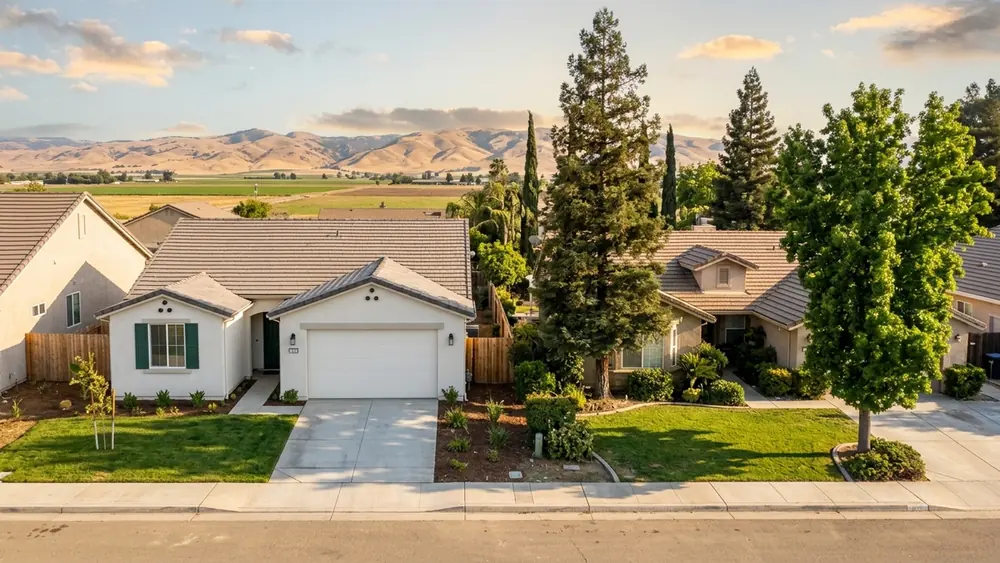
Buying a new home in Los Banos usually means working with a builder’s sales office and contract, while a resale usually means working with a homeowner and a standard purchase process. The house, the paperwork and the timing all differ.
On this page
The process differs as much as the house
The biggest difference between buying a new home and buying a resale in Los Banos is the process around the house. A new home usually involves a builder, a sales office and a contract the builder has prepared. A resale usually involves a homeowner, their listing agent and a standard purchase process. The questions you ask, and the people who answer them, change with each path.
It is easy to compare new and resale only by the house itself: the age, the finishes, the layout and the yard. Those matter, but they are only part of the decision. Two homes at a similar price can involve very different paperwork, schedules and costs, so it helps to compare the whole purchase side by side before you settle on a favorite.
This article walks through the main differences in order: who you deal with, how the paperwork can differ, how timing works, and what the price includes. None of it says one path is better than the other. The aim is to help you see which questions to ask, so the choice you make fits your own situation, your budget and your move date.
Who sits across the table from you
On a resale, the seller is usually a homeowner who has lived in the house, and they are often represented by their own listing agent. You may be able to learn how the home has been used and cared for, and the seller’s own plans can shape the timing. Negotiation usually happens between the two sides, through their agents, with each side looking after its own interests.
On a new home, the seller is usually the builder, and the people you meet at the sales office typically work for the builder. They can explain the homes, the options and the steps in the process, but their role is to sell for the builder. That is a normal arrangement, and it is the main reason to decide early what kind of help you want on your own side.
If you want your own REALTOR® involved in a new-home purchase, ask the sales office how it works with outside agents before your first visit. Some offices may have their own way of handling this, so ask rather than assume. Getting that answer early, and in writing, keeps you from finding out later that the order of introductions mattered more than you expected.
How the paperwork can differ
A resale usually moves through a standard purchase agreement that many buyers and agents have seen before. A new home is often sold on a contract the builder has prepared for its own homes. The two can differ in ways that affect your deposit, your schedule and what happens if something changes, so it is worth reading each one on its own terms rather than assuming they match.
With a builder’s contract, ask for every document early and give yourself enough time to read it carefully. Write down anything that is unclear and take those questions to a real estate attorney or another qualified professional. Do not rely on a verbal summary of what a document says, whether it comes from the sales office, a friend who bought new, or anyone else.
With a resale, the paperwork can also include disclosures from the seller and reports you arrange yourself, such as a home inspection. In both cases, the point is the same: know what you are agreeing to before you sign. A title or escrow company can explain its part of the process, and a lender can explain how the paperwork connects to your loan.
How timing works in each kind of purchase
Timing is often where new and resale feel most different. With a resale, the home already exists, so the schedule depends mostly on the agreement between you and the seller. With a new home, the schedule can depend on where the home is in construction and on factors outside your control. These are the timing questions worth asking about any new home you consider.
- Whether the home is finished, under construction or not yet started
- How the builder sets an expected completion date, and how firm it is
- What the contract says happens if the schedule moves earlier or later
- How the schedule fits with selling your current home or ending a lease
Ask a resale seller the same kind of timing questions, and compare the answers in writing. If you have a home to sell, or a lease that ends on a set date, timing may end up deciding the choice for you. A lender can explain how a longer or less certain schedule might affect your financing, so raise it before you commit to either path.
Side by side questions to ask
A simple way to compare the two paths is to ask the same questions of each and note who gives you the answer. The table below lays out five areas where new and resale purchases often differ. It describes what to ask, not what the answer will be, because terms vary by builder, by seller and by home, and they can change over time.
| Question | New home | Resale |
|---|---|---|
| Who is the seller? | Usually the builder, through its sales office | Usually a homeowner, often through a listing agent |
| Which contract applies? | Often the builder’s own contract, so read it closely | Usually a standard purchase agreement and seller disclosures |
| Can I see the exact home? | Sometimes only a model or plan, so ask | Usually yes, since the home already exists |
| What does the price include? | Ask for a written list of included features | Ask what stays with the home and what needs work |
| Who confirms ongoing costs? | The HOA documents, county offices, an insurer and a lender | The same sources, plus records the seller can share |
Fill in your own answers for each home you are considering, new or resale, and keep them together on one page. When the answers come from the person who actually sets the terms, such as the builder, the seller, the HOA or the lender, you can compare homes with more confidence than a brochure or a listing summary could ever give you.
Comparing what the price actually includes
A new-home price may cover a base home, with finishes, features or lot choices priced separately. Ask the sales office which items in the model are included and which are options, and get that list in writing before you compare anything. Then you can compare it fairly with a resale, where the price usually covers the home as it stands on the day you see it.
A resale price can carry its own costs, such as repairs or updates you might want to make after you move in. A home inspector can help you see what an existing home may need, now or soon. Add those likely costs to the resale side of your list, and add options and upgrades to the new side, before you compare the totals.
Deciding which path fits your situation
Once you have answers on both sides, the decision usually comes down to a few personal factors rather than a rule that applies to everyone. It helps to write down how much each factor matters to you before you look at more homes, so the next visit has a purpose. These are the factors that tend to shape the choice between a new home and a resale.
- How firm your move date is, and how much schedule uncertainty you can handle
- Whether you need to sell a current home before or after you buy
- How much you value choosing finishes against moving into a finished home
- How comfortable you are reviewing a builder’s contract with professional help
If you are weighing a new home against a resale in Los Banos, you can bring both lists to Robert Ramirez and work through them in English or Spanish, even if you have not narrowed anything down yet. Which difference between the two paths matters most for your move, and who could give you a firm, written answer on it?
This article is general information about real estate decisions in Los Banos and Merced County, California. It is not legal, tax, insurance, or financial advice. Rules, prices, and market conditions change, so confirm current details with the responsible city or county office and with qualified professionals.

Written by