Home Buyers
I’m Buying My First Home in Los Banos. What Should I Figure Out Before I Start Looking?
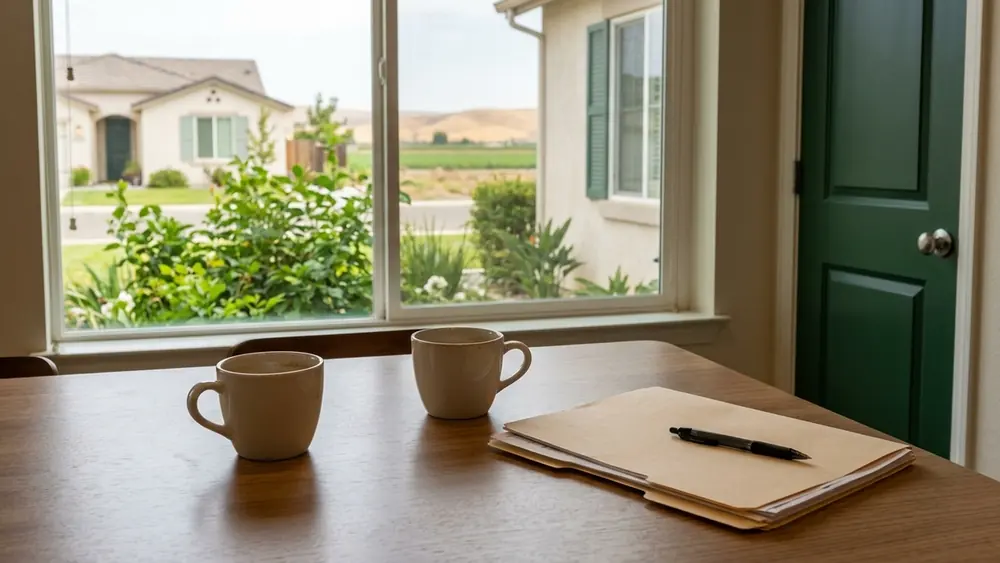
Before you look at homes in Los Banos, find out what you can comfortably spend by talking with a lender, decide what the home must have, and learn who confirms each fact: the lender, the inspector, title or escrow, and an insurer.
On this page
Start with your budget and your needs
Before you look at a single home in Los Banos, figure out what monthly cost you can comfortably carry, and confirm it with a lender. Then write down what the home must have and what you could live without. Those answers give your search a shape, so you are comparing homes against your own plan instead of against whichever listing you saw last. Once that shape is clear, every later step has something solid to lean on.
This matters because a first purchase puts many unfamiliar decisions in front of you at once. The house is the exciting part, so it tends to crowd out the less exciting questions about money, condition and ongoing costs. When those questions come up late, they can force a rushed choice or a hard step back. Settling them early lets you look at homes with a clear head, and it gives you room to say no to a house that does not fit.
The good news is that most of these questions can be answered before you tour anything. Some are yours to decide, such as how much space you need or how you feel about repairs. Others belong to a specific professional, such as a lender, a home inspector, a title or escrow company, or an insurer. Knowing which is which keeps you from guessing, and it tells you exactly who to call when a new question comes up partway through the purchase.
Questions to take to a lender first
A lender is usually the right first call, because nearly every later decision depends on what you can finance and what it will cost you each month. You do not need to have everything figured out before that conversation. Bring your questions in writing, ask the lender to explain any term you do not recognize, and write down the answers so you can compare them later. If something does not make sense, ask again until it does, because these answers set the limits for everything that follows.
- What monthly housing cost fits my income and my other regular bills
- Which documents I should gather now so the process does not stall later
- What written confirmation of my financing sellers will expect to see with an offer
- Which costs I will need to cover at closing besides the price of the home
Decide what the home has to do
Once you know the monthly cost you can carry, the next step is deciding what the home itself needs to do for you. A written list keeps you steady when photos and open houses get persuasive. Sort the items into what must be there and what would be nice, and keep the list with you on every visit so each home is measured the same way. Your list can change as you learn, but change it on purpose, not because of one appealing kitchen.
- How many bedrooms and bathrooms you need now, and what you might need later
- Whether you want a new home, a resale, or are open to either
- How much repair or updating work you are willing and able to take on
- The daily trips you make, such as work, errands and anything on a fixed schedule
- Whether you are comfortable with a homeowners association and the rules that come with one
The order the steps usually follow
A first purchase usually moves in a rough order. You talk with a lender, settle your list of needs, and then start looking at homes that fit both. When you find a home you want, you make an offer, and if it is accepted, a set of checks begins before the purchase is final. Knowing the order ahead of time makes each step feel less like a surprise and helps you see what is coming next.
Those checks are where many first-time buyers learn the most. A home inspector looks at the condition of the property, an insurer tells you what coverage it will need and what that may cost, and the lender finishes its own review. Each answer can change how you feel about the home, so ask early how much time your offer gives you to complete them and what your choices are if something unexpected turns up.
A title or escrow company handles the steps that transfer ownership and hold funds until everything is ready. They can explain what they need from you and when. A REALTOR® can help you keep these steps in order, but does not replace the professional who answers each question. Ask each one to explain their part in plain language, and to tell you what they will need from you and when, before you rely on it.
Matching each question to the right professional
The habit that helps first-time buyers most is matching every fact to the person or office that actually sets it. A listing description is a starting point, not a source. Taxes belong to the county office that handles them, coverage belongs to an insurer, association fees and rules belong to the association and its documents, and condition belongs to an inspector. Write down who told you what, and when.
This matters because rules, fees and costs change, and a figure you heard from a friend or read online may not apply to the home in front of you. If a question is legal or tax related, take it to a real estate attorney or a tax professional rather than relying on general advice. Robert can help you sort your questions by who should answer them, so you are not left wondering whose word to rely on.
Before we look at a single home, I want to know what you can carry each month and what the house has to do for you. Everything else gets easier after that.
First-time assumptions that lead to surprises
One common surprise comes from treating the price of the home as the whole cost. Insurance, property taxes, any association fees, utilities and upkeep all sit beside the monthly payment, and each one varies by property. Ask for current figures from the source that sets each cost before you settle on a budget, not after you have chosen a home you love. A budget that only counts the payment can feel comfortable on paper and tight once you move in.
Another surprise comes from assuming a home is in good shape because it looks finished or recently updated. Fresh paint and new fixtures say nothing about the roof, the plumbing or the systems behind the walls. An inspection is how you find out, and the inspector is the right person to explain what any finding means. Ask questions until you understand each one, and then decide with your lender and your REALTOR® what, if anything, you want to ask the seller about.
Your next step before the first showing
You do not need a finished plan to start. Bring the notes you already have: what the lender told you, your list of needs, your rough timeline and any date you must move by. Add the questions you have not answered yet, even the ones that feel basic, because those are often the right place to begin for a first-time buyer. A page of honest notes is more useful than a polished plan.
It also helps to mark which parts of the process feel least clear, such as how offers work, what an inspection covers or what happens at closing. The goal of a first conversation is to put your questions in order and work out who answers each one. Nothing about that conversation commits you to a home, a timeline or a decision, and you can take as long as you need to think it over.
If you are buying your first home in Los Banos and are not sure where to begin, bring that question to Robert. You can start with whichever decision feels most uncertain and work through the rest one question at a time. Which do you want to settle first: the monthly cost you can carry, or the list of what your home has to do?
This article is general information about real estate decisions in Los Banos and Merced County, California. It is not legal, tax, insurance, or financial advice. Rules, prices, and market conditions change, so confirm current details with the responsible city or county office and with qualified professionals.

Written by